
The Stress–Gut Loop: How Your Mood Impacts Digestion and What You Can Do About It
Stress and digestion are deeply connected. If you have ever felt butterflies before a big presentation or noticed your stomach tighten during a stressful week, you have experienced this link firsthand. What many people do not realize is that this connection works both ways. Your mood influences digestion, and your digestive health can shape how you feel emotionally.
This two-way relationship is known as the gut-brain axis. Understanding how stress and digestion interact helps explain why digestive symptoms often flare during anxious periods and why calming the gut can support better mood and mental clarity. The good news is that once you understand the loop, you can learn how to interrupt it.
Why Your Gut Feels Every Emotion You Do
Your gut responds to emotions because it is in constant communication with your brain through the gut-brain axis. This communication happens through nerves, hormones, and chemical messengers that travel back and forth all day long.
That nervous feeling in your stomach is not imaginary. It is your digestive system reacting to signals from your brain, and it happens through measurable, well-studied physiology.
The gut-brain axis connects your central nervous system to your digestive tract through pathways like the vagus nerve. This nerve acts as a major communication highway, sending information about stress levels, digestion, and inflammation in both directions.
When you feel anxious or overwhelmed, your brain sends signals that directly influence how your gut moves, secretes enzymes, and processes food. At the same time, signals from your gut can influence mood, focus, and emotional balance.
The Enteric Nervous System — Your Second Brain
Lining your digestive tract is a complex network of more than 100 million nerve cells called the enteric nervous system. This system operates semi-independently from the brain, which is why it is often referred to as the second brain.
The enteric nervous system controls digestion, gut motility, and enzyme release. It also communicates continuously with your brain through the vagus nerve and other neural pathways.
One of its most important roles is producing neurotransmitters. Around 90 percent of the body’s serotonin is made in the gut, not the brain. Serotonin plays a key role in mood regulation, sleep, and emotional well-being.
Because of this, disruptions in digestion do not stay confined to the gut. They can influence how calm, anxious, or balanced you feel emotionally.
How Stress Disrupts Digestion — The Physiological Cascade
To understand stress and digestion, it helps to look at what happens inside the body during stress. When you feel threatened or overwhelmed, your body activates the fight or flight response through the HPA axis.
This response is designed for short-term survival, not digestion. Blood flow is redirected away from the digestive system and toward muscles and the brain. Digestive processes slow down or become erratic.
Cortisol and other stress hormones rise quickly. These hormones directly affect gut motility, enzyme secretion, and stomach acid production. The result can be diarrhea, constipation, reflux, or abdominal discomfort.
During stress, nutrient absorption becomes less efficient. Food may move too quickly or too slowly through the digestive tract, contributing to bloating, cramping, and irregular bowel movements.
Cortisol and Your Digestive System
Cortisol plays a central role in cortisol and digestion. Short bursts of cortisol are normal, but when stress becomes chronic, cortisol levels can remain elevated for long periods.
Chronically high cortisol can weaken the gut lining, increasing intestinal permeability. This makes the gut more sensitive and reactive to foods and stress signals.
Cortisol also alters the balance of gut bacteria. Changes in the microbiome can increase inflammation and reduce the production of mood-regulating compounds.
Over time, this combination of inflammation, altered motility, and microbial imbalance makes the digestive system more vulnerable to stress-related flare-ups.
Stress Digestive Problems — Common Symptoms to Recognize
Stress digestive problems show up in different ways depending on the individual. Common symptoms include bloating, gas, and abdominal pressure that worsen during stressful periods.
Some people experience cramping or abdominal pain, while others notice alternating constipation and diarrhea. Nausea, appetite changes, and early fullness are also common.
For those with existing conditions such as IBS or GERD, stress often intensifies symptoms. What might be manageable during calm periods can become disruptive during emotionally demanding times.
The Vicious Cycle — When Gut Problems Create More Stress
Stress and digestion do not operate in a straight line. They form a feedback loop that can become self-sustaining over time.
When digestion is disrupted, the gut sends distress signals back to the brain. These signals are influenced by inflammation, changes in the gut microbiome, and altered neurotransmitter production.
Reduced serotonin production in the gut can contribute to anxiety and low mood. Inflammatory signals can also affect brain function and stress sensitivity.
This explains how a stressful event can trigger digestive symptoms, and how ongoing gut issues can then increase emotional stress. Without intervention, temporary stress can evolve into chronic digestive dysfunction.
How Your Gut Microbiome Influences Your Mood
Your gut microbiome plays a key role in anxiety and gut health. Gut bacteria produce compounds that influence mood, stress response, and emotional regulation.
When the microbiome becomes imbalanced, a state known as dysbiosis, stress sensitivity often increases. Research has linked microbiome changes to higher anxiety symptoms and altered stress responses.
Improving gut health can help rebalance these signals. Supporting the microbiome through diet and lifestyle changes can positively influence both digestion and emotional well-being.
Breaking the Stress Gut Loop — Where to Intervene
The stress gut loop can be interrupted at several points. Effective change often comes from addressing more than one area at the same time.
There are three primary intervention points. These include stress and brain-based strategies, gut-focused dietary support, and daily lifestyle habits.
The goal is to activate the parasympathetic nervous system, often referred to as the rest and digest state. Improving vagal tone helps calm the nervous system and supports smoother digestion.
Dietary Strategies for Stress-Related Digestive Issues
What you eat matters even more during stressful periods. Stress changes how your gut handles food, making certain ingredients more likely to trigger symptoms.
Gentle, predictable meals help stabilize gut motility and reduce digestive workload. Eating at regular intervals and chewing thoroughly support digestion during stress.
Fiber plays an important role, but it needs to be chosen carefully. Some fibers support gut motility and microbiome balance, while others can increase bloating and discomfort when stress is high.
Creating a calm eating environment also matters. Eating quickly or while distracted can amplify stress signals sent to the gut.
How a Low FODMAP Approach Supports Anxiety and Gut Health
Recent research shows that the Low FODMAP diet can reduce anxiety and depression alongside gastrointestinal symptoms in people with IBS. This highlights the connection between anxiety and gut health.
FODMAPs are fermentable carbohydrates that can increase gas production and gut sensitivity. During stress, the gut becomes more reactive, making these carbohydrates harder to tolerate.
Reducing fermentable carbohydrates can calm an irritated gut, which in turn reduces distress signals sent to the brain. Many people report improvements in both digestive comfort and emotional balance.
Starting does not need to be overwhelming. Focusing on simple swaps and consistent meals can create noticeable changes within weeks.
Gut-Friendly Foods to Prioritize During Stressful Periods
During stressful periods, prioritize foods that are easy to digest and gentle on gut motility. Simple proteins, well-cooked vegetables, and familiar meals often work best.
Hydration is essential. Dehydration can worsen constipation and increase gut sensitivity.
Limiting highly fermentable foods, excessive caffeine, and large meals can reduce digestive strain when stress levels are elevated.
Stress Management Techniques That Directly Benefit Digestion
Stress management is not just about mental calm. These techniques directly influence digestion through the nervous system.
Activating the parasympathetic nervous system improves gut motility, enzyme secretion, and blood flow to the digestive tract. Many techniques work by stimulating the vagus nerve.
Research supports mind-body interventions such as cognitive behavioral therapy and gut-directed hypnotherapy for digestive disorders, especially IBS.
Breathing Exercises That Activate Rest and Digest
Diaphragmatic breathing is one of the most effective tools for calming stress and digestion. Slow, deep breaths expand the diaphragm and stimulate the vagus nerve.
A simple technique involves inhaling through the nose for four seconds, then exhaling slowly for six seconds. The long exhalation is especially important for vagal activation.
Practicing this for a few minutes before meals can help prepare the digestive system. Regular practice throughout the day builds resilience to stress.
Movement and Exercise for Gut Brain Balance
Moderate movement supports gut motility and helps regulate cortisol levels. Walking, gentle cycling, and yoga often support digestion without overstimulating the nervous system.
Exercise also improves stress tolerance and mood through neurochemical pathways. However, intense exercise can worsen symptoms for some people during high stress.
Listening to your body and choosing movement that feels supportive is key to long-term gut-brain balance.
When to Seek Professional Support
Self-management works for many people, but some symptoms require professional guidance. Persistent pain, unexplained weight loss, or ongoing bowel changes should be evaluated.
Gastroenterologists help assess conditions such as IBS and functional dyspepsia and rule out other causes. They can also recommend evidence-based therapies.
Working with dietitians provides personalized guidance, especially when stress induced digestive symptoms interfere with daily life.
The Timeline of Healing — What to Expect When Breaking the Cycle
Healing the stress gut loop happens in stages. Some strategies provide immediate relief, while others support long-term change.
Stress reduction techniques can calm symptoms within days. Dietary changes often show improvements within two to six weeks, especially with a Low FODMAP approach.
Setbacks are normal. Stressful events can temporarily increase symptoms, but this does not mean progress is lost.
Beyond symptom reduction, signs of healing include better energy, improved sleep, and a more stable mood. Sustainable habits matter more than quick fixes.
Stress-Induced IBS — A Specific Guide for Those Already Diagnosed
Stress-induced IBS is one of the most common patterns seen in digestive health. Symptoms often worsen predictably during stressful periods.
Research shows that combining dietary management with stress reduction strategies leads to better outcomes than addressing either alone.
Low FODMAP dietary support can reduce symptom severity, while gut-directed psychological therapies help regulate stress responses.
Creating a personal flare prevention plan includes identifying stress triggers, maintaining consistent meals, and using calming techniques proactively.
FAQ
How does stress actually affect digestion in the body?
Stress affects digestion through the gut-brain axis, a communication network linking the brain and digestive system. When stress activates the fight or flight response, blood flow is redirected away from digestion, gut motility changes, and enzyme secretion is altered. Stress hormones like cortisol can slow digestion or speed it up, leading to symptoms such as bloating, cramping, constipation, or diarrhea. Over time, repeated stress can increase gut sensitivity and inflammation, making the digestive system more reactive even during minor emotional or physical stressors.
Can digestive problems really make anxiety or stress worse?
Yes, digestive problems can actively contribute to anxiety and stress. The gut produces most of the body’s serotonin, a neurotransmitter involved in mood regulation. When digestion is disrupted, serotonin production and signaling can be affected. Gut inflammation and changes in the gut microbiome also send distress signals to the brain through the gut-brain axis. This feedback loop means ongoing digestive discomfort can heighten anxiety, lower stress tolerance, and make emotional symptoms feel more intense and harder to manage.
How long does it take to see improvement when addressing stress and digestion together?
The timeline varies, but many people notice changes sooner than expected. Stress reduction techniques such as breathing exercises can calm digestion within days. Dietary changes often take longer, with noticeable improvements commonly appearing within two to six weeks. Long-term healing involves consistency rather than perfection. Progress is not always linear, and temporary setbacks during stressful periods are normal. Improvements in energy, sleep quality, and emotional balance often appear alongside digestive symptom relief, signaling broader nervous system regulation.
Why are people with IBS more sensitive to stress-related digestive issues?
People with IBS have a more sensitive gut nervous system, making them more reactive to stress signals. Stress amplifies gut-brain axis communication, increasing pain perception, altering gut motility, and worsening symptoms. Cortisol and other stress hormones can intensify bloating, cramping, and bowel irregularity. Because IBS already involves heightened gut sensitivity, emotional stress can trigger predictable flares. Addressing both stress management and dietary triggers together is especially important for reducing symptom frequency and improving overall quality of life.
So, what are you waiting for?
Shop from some of our best selling, low FODMAP foods.
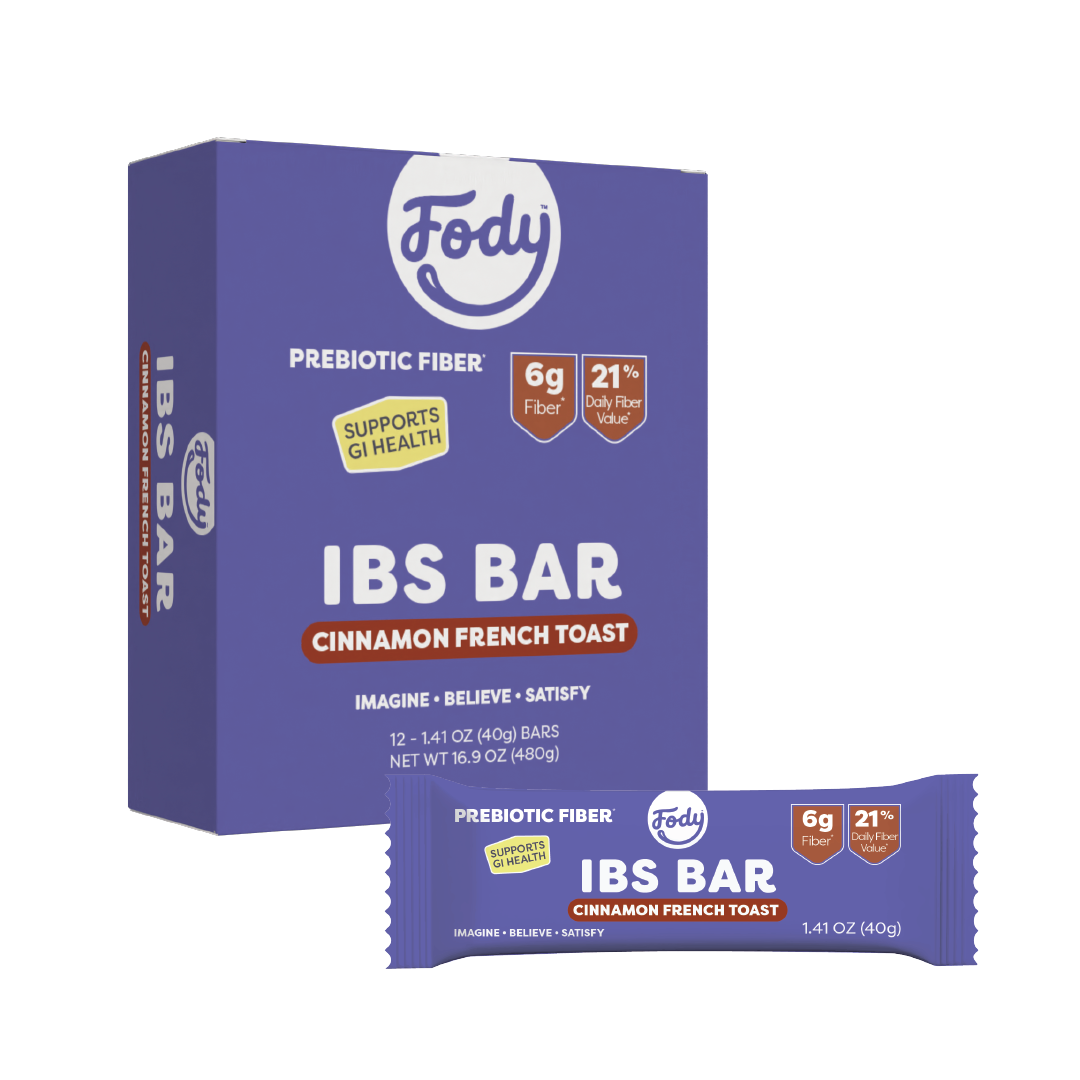
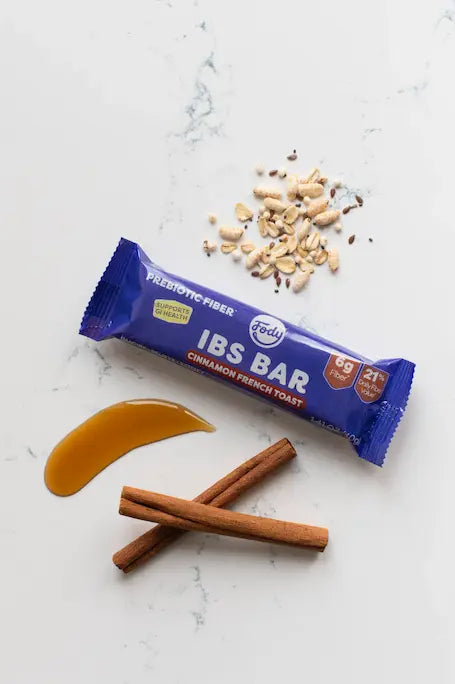 Cinnamon French Toast High Fiber Snack Bar - 12 Pack
Cinnamon French Toast High Fiber Snack Bar - 12 Pack
$32.99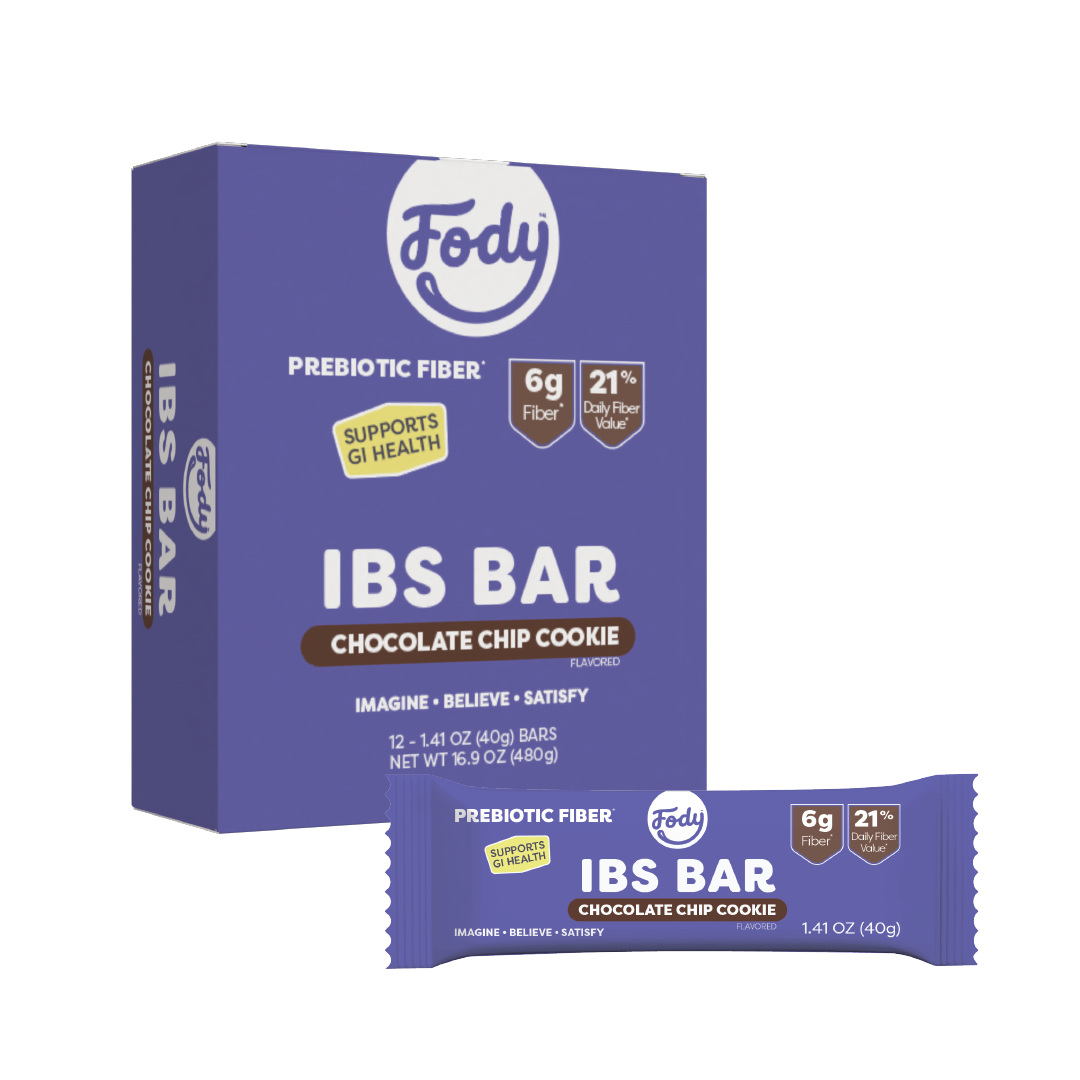
 Chocolate Chip Cookie High Fiber Snack Bar - 12 Pack
Chocolate Chip Cookie High Fiber Snack Bar - 12 Pack
$32.99