
Pack your plant-based diet with protein!
Embracing a plant-based diet is not just about munching on greens; it's about making informed choices to ensure you meet your nutritional needs. For those with sensitive digestive systems, low FODMAP plant-based options are a fantastic way to get the best of both worlds: a plant-powered diet and digestive comfort.
Understanding Low FODMAP:
FODMAPs (Fermentable Oligosaccharides, Disaccharides, Monosaccharides, and Polyols) are types of carbohydrates that can trigger digestive discomfort in some individuals. A low FODMAP diet can alleviate symptoms like bloating, gas, and abdominal pain. Thankfully, there are plenty of low FODMAP plant-based protein sources.
Low FODMAP Plant-Based Protein Sources:
Tofu: Tofu is a versatile, protein-rich food made from soybeans and is low in FODMAPs. Use it in stir-fries, scrambles, or even blended into creamy smoothies.
Tempeh: Another soy-based product, tempeh is fermented and easier to digest. It's a great source of protein and can be used in sandwiches, salads, or marinated for a flavorful main dish.
Quinoa: This gluten-free grain is packed with protein and is low in FODMAPs. Use it as a base for grain bowls, salads, or as a side dish.
Lentils: Green and brown lentils are low FODMAP and provide ample protein. Incorporate them into soups, stews, and curries for a hearty meal.
Chia Seeds: Chia seeds are a fantastic source of protein and healthy fats. Create a low FODMAP chia pudding by mixing them with lactose-free or almond milk.
Complete Proteins vs. Incomplete: How to Build Complete Amino Acid Profiles on a Plant-Based Low FODMAP Diet
When following a plant-based Low FODMAP diet, understanding the difference between complete and incomplete proteins is essential for meeting daily protein needs. A complete protein contains all nine essential amino acids in sufficient amounts and balanced proportions. These amino acids cannot be produced by the body and must come from food. Animal-based proteins naturally provide complete amino acid profiles, whereas most plant proteins do not, making thoughtful protein pairing especially important for people following a vegan Low FODMAP approach.
On a Low FODMAP plant-based diet, some protein sources are naturally complete. Quinoa is a standout because it contains all nine essential amino acids, making it a reliable base for meals. Tofu and tempeh are also complete proteins. Tempeh offers the added advantage of fermentation, which can improve digestion and nutrient absorption for people with IBS. These foods play a key role in supporting adequate protein intake on a Low FODMAP vegan diet when animal products are excluded.
Many plant proteins, however, are incomplete. Most legumes, such as lentils, beans, and peas, are low in methionine and cysteine. Grains like rice, oats, and buckwheat are generally low in lysine. This is where amino acid combining becomes valuable. By pairing foods with complementary amino acid profiles, you can create Low FODMAP complete plant-based proteins without relying on animal sources.
Common Low FODMAP plant-based protein pairings include rice paired with lentils in appropriate portions, or peanut butter paired with bread. These combinations do not need to be eaten in the same meal to be effective. Consuming complementary proteins across the same day is sufficient to support amino acid balance, making this approach flexible for everyday eating.
How well protein is absorbed also plays a role. Plant proteins are absorbed less efficiently than animal proteins, which is why many nutrition guidelines suggest vegans may need approximately ten percent more protein over the course of a day. Preparation methods influence this as well. Drained canned lentils and fermented soy products like tempeh are often better tolerated and more digestible than dried legumes cooked from scratch.
Typical protein recommendations range from 0.8 to 1 gram per kilogram of body weight. For vegans following a Low FODMAP diet, intake may need to increase by ten to thirty percent depending on activity level. For example, someone weighing 70 kilograms may aim for 70-85 grams of protein daily from varied plant sources.
For quick reference, reliable Low FODMAP complete protein sources include quinoa, firm or extra firm tofu, tempeh, buckwheat, and strategic pairings such as rice and lentils or peanut butter with bread. Using these foods consistently helps ensure balanced amino acid intake on a plant-based Low FODMAP diet while keeping meals satisfying and digestion-friendly.
Low FODMAP Plant-Based Recipes
Low FODMAP Tofu Scramble: Sautée tofu with spinach, cherry tomatoes, and a sprinkle of turmeric and cumin for a delicious breakfast option.
Tempeh Stir-Fry: Marinate tempeh in a low FODMAP stir-fry sauce, and then stir-fry with bell peppers, zucchini, and carrots for a quick and satisfying dinner.
Quinoa and Roasted Veggie Salad: Toss cooked quinoa with roasted low FODMAP vegetables like carrots, bell peppers, and zucchini. Drizzle with a simple lemon vinaigrette for added flavor.
Lentil Soup: Prepare a hearty lentil soup using green or brown lentils, carrots, celery, and a dash of garlic-infused oil for a low FODMAP twist.
Easy Plant-Based Meal Planning:
Plan Ahead: Take time to plan your meals for the week. Choose recipes that incorporate low FODMAP plant-based proteins.
Batch Cooking: Prepare large batches of low FODMAP staples like quinoa, tofu, or tempeh and store them in the fridge for easy meal assembly.
Variety Is Key: Include a variety of low FODMAP vegetables and proteins to ensure you get a balanced diet.
Snack Smart: Keep low FODMAP snacks like nuts, seeds, or rice cakes with almond butter on hand for quick and satisfying snacks.
Packing your plant-based diet with protein while following a low FODMAP approach is not only possible but also delicious and nutritious. With the right ingredients, recipes, and meal planning strategies, you can enjoy the benefits of a plant-powered diet without sacrificing digestive comfort. Experiment with these low FODMAP plant-based options and discover the joy of nourishing your body while keeping your gut happy.
So, what are you waiting for?
Shop from some of our best selling, low FODMAP foods.
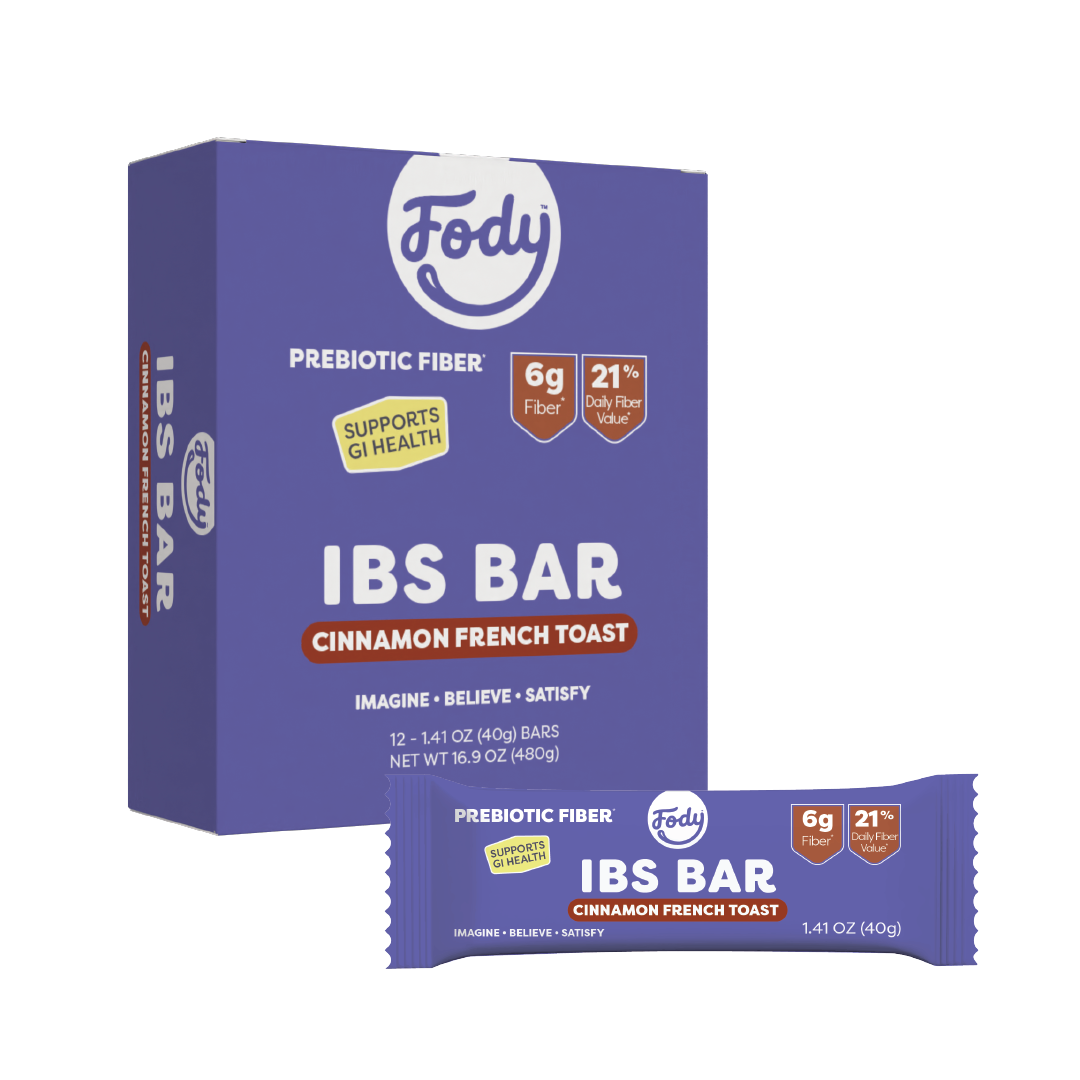
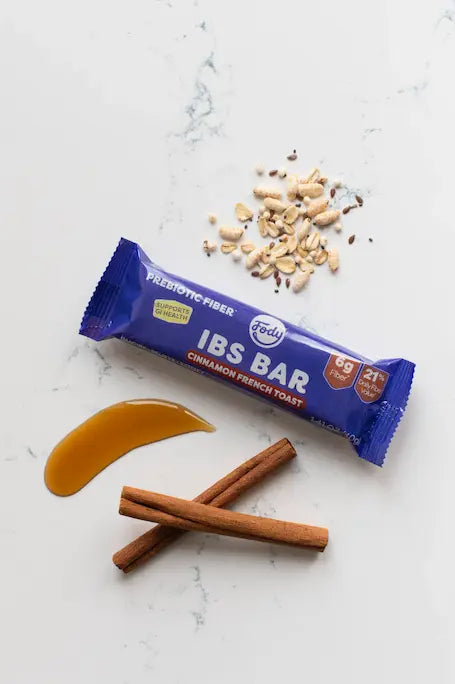 Cinnamon French Toast High Fiber Snack Bar - 12 Pack
Cinnamon French Toast High Fiber Snack Bar - 12 Pack
$32.99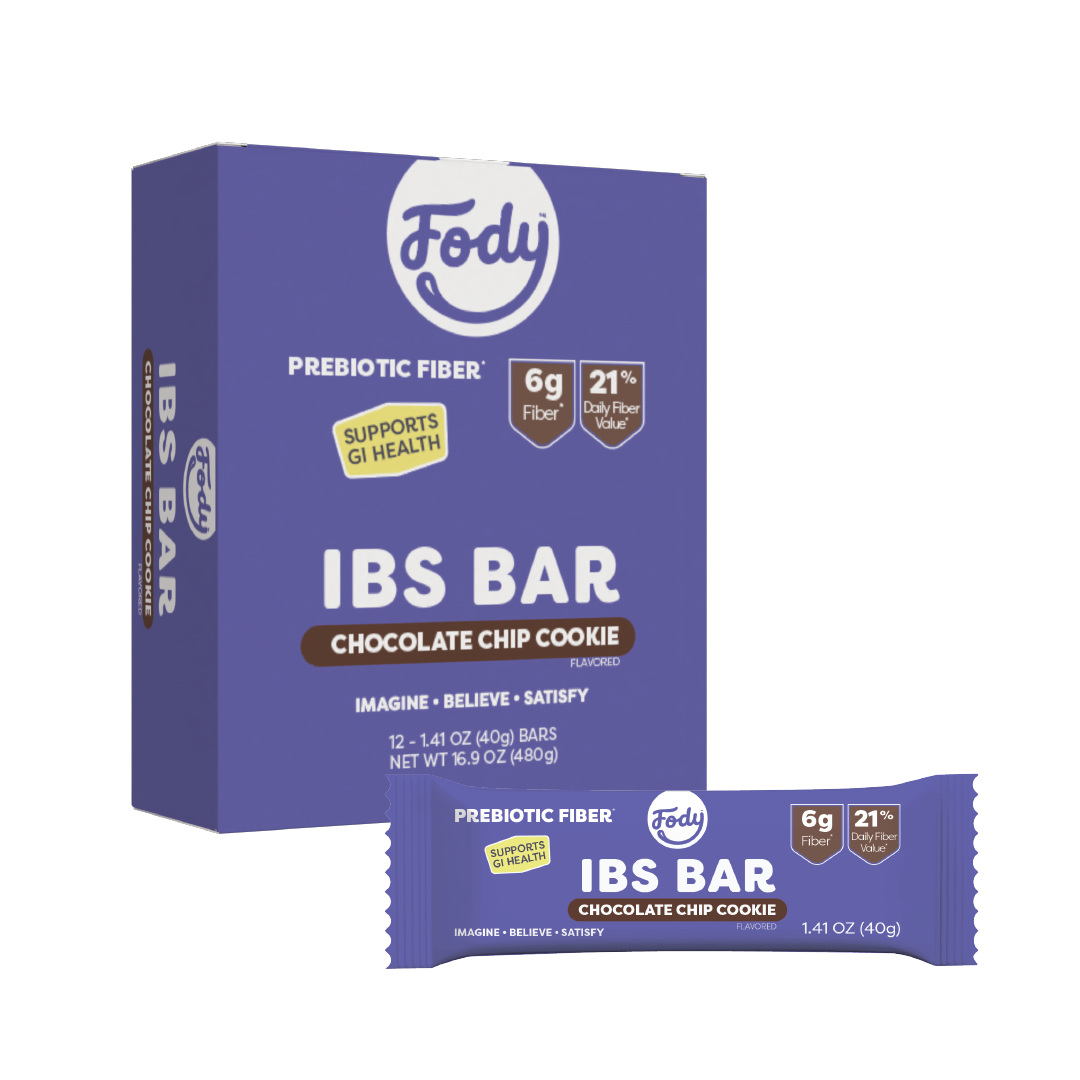
 Chocolate Chip Cookie High Fiber Snack Bar - 12 Pack
Chocolate Chip Cookie High Fiber Snack Bar - 12 Pack
$32.99